Components
Resistors
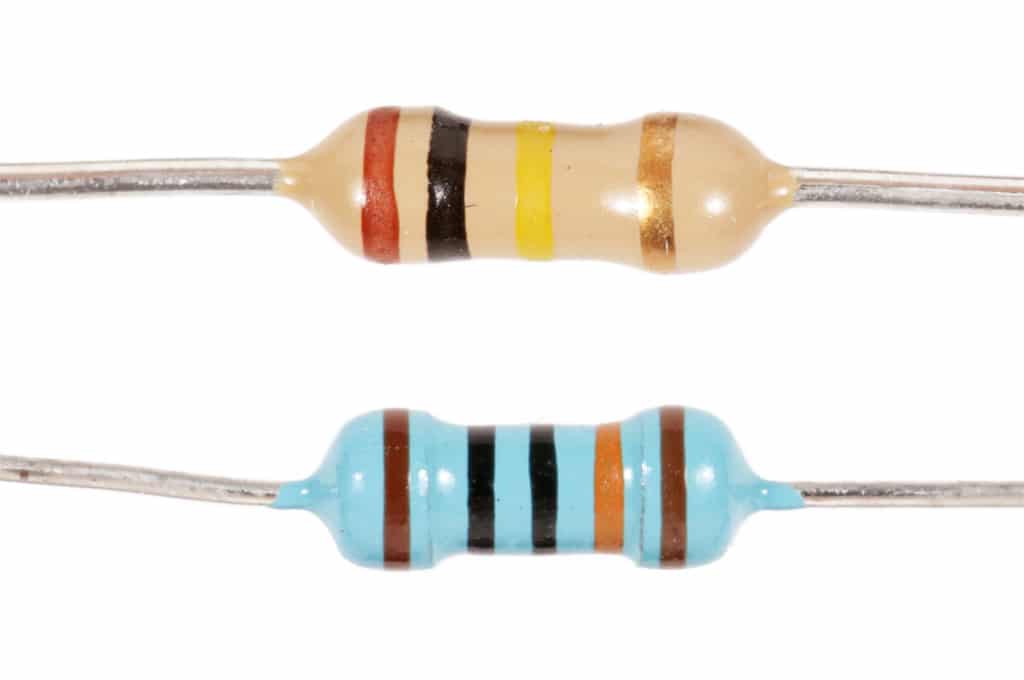
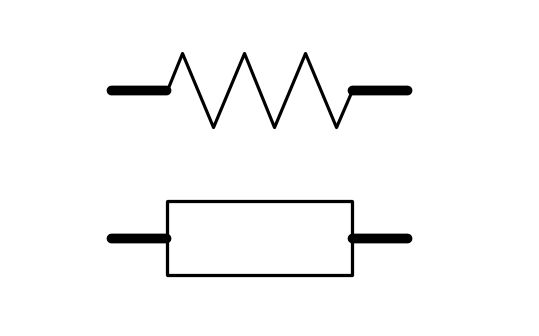
Resistors are used to resist the flow of current in a circuit. Every material that current can flow through has resistance (Except for super-conductors, but that is outside of the scope of this class).
Resistivity is the measure of a materials resistance times the cross sectional area of the material per unit length.
Capacitors
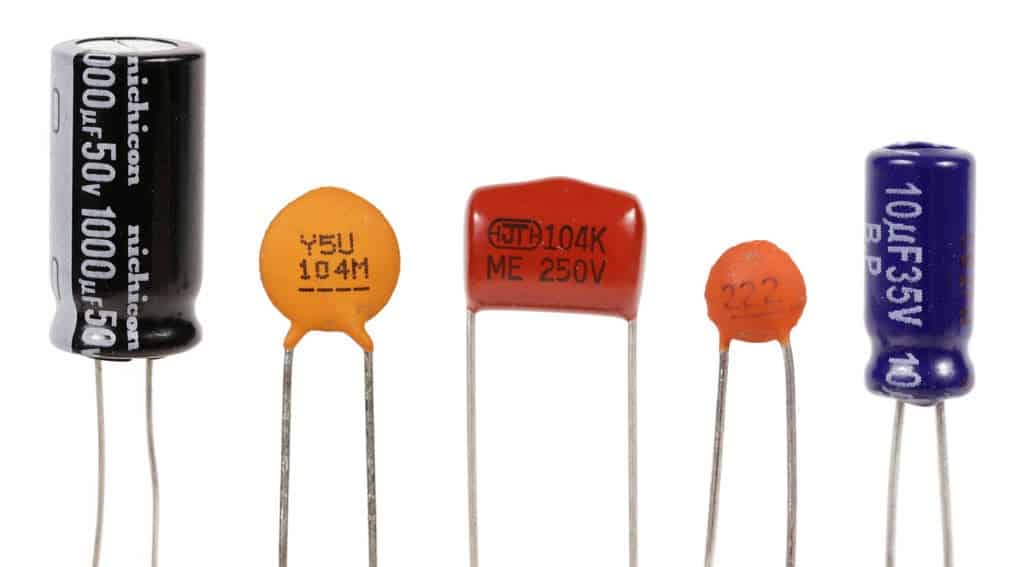
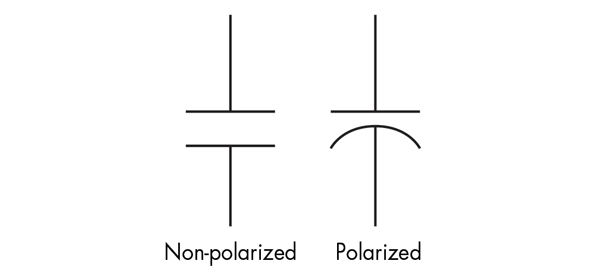
Capacitors come in many shapes and sizes, from electrolytic (left and right) to Ceramic (Center 3), to many other types. Their main function is to temporaraly store an electric charge. Capacitors are one of the most versitile components used by electrical engineers because of their unique charicaristics. Capacitors can be found in everything ranging from filters, to switchmode power supplies, to simple timers. Nearly every single electronic device you can think of contains at least one capacitor.
Capacitors store their charge in the form of electric fields, when a capacitor is connected to something that has a potential difference accross it electrons flow into one plate of the capacitor, which generates an electric field and causes the electrons in the other plate to be repelled away. This difference in electrons on one side of the plate generates a potential difference between the two plates. It takes time for the electric field to form and collapse, which results in the unique characteristics of the capacitor.
Inductors
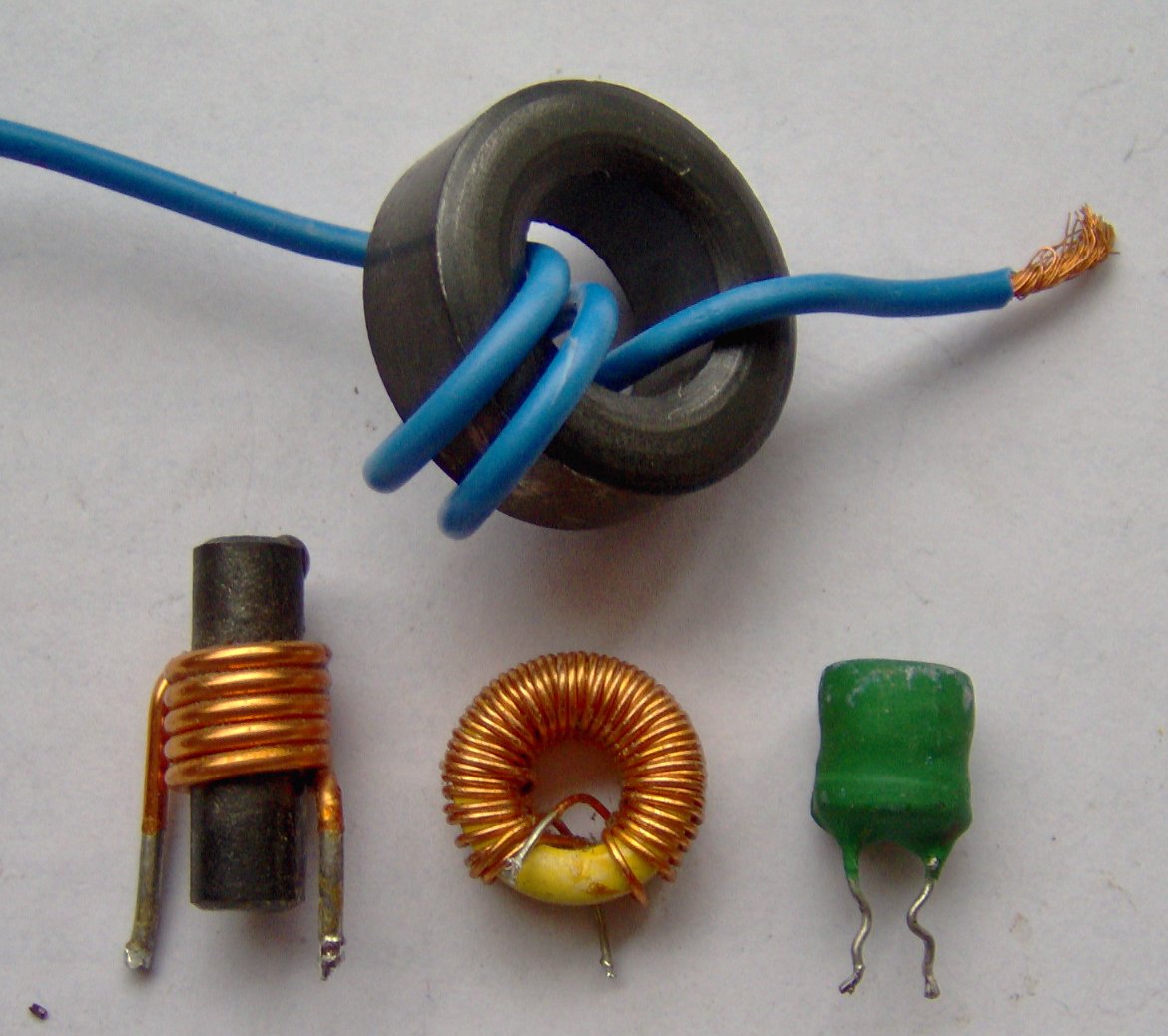
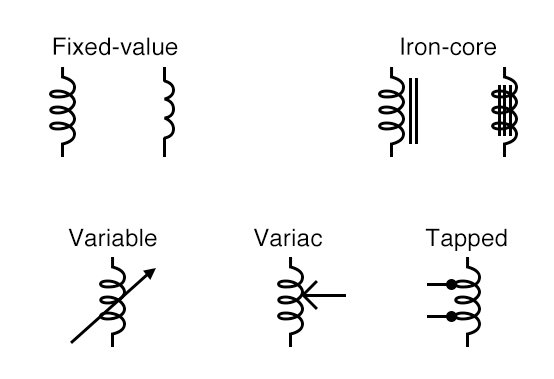
Inductors like capacitors come in many shapes and sizes, although all are based on the same basic principal, wire wrapped around an iron core.
Ohm's law
Ohm's law describes the relationship between current, voltage, and resistance. Electricity is the flow of electrons, electrons want to be evenly distributed in space. When there are more electrons in one location vs a different location there is a potential difference (voltage). Voltage is measured in Volts, 1V = 1J/C Current is quite litteraly the flow of electrons, Current is measured in amps, 1A is equal to 1J/s. Then theres resistance, which is measured in ohms and is completely dependent on the material that the current is flowing through.
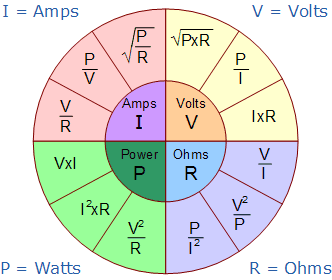
Ohm's law says that Voltage is equal to Current times Resistance, or in other words V = IR. Using Ohm's law as long with the equation Power = Volts times Amps or P = VA, we get the following set of equations, which can be applied in many different applications. Oftentimes it is easier to just remember the two equations independently and then derive out any special one that you need to use as you need it.